
“Nudging” to increase Enrollment into Settlement Services Programs
Executive Summary
Settlement service programs for newcomers to Canada were experiencing low enrollment despite strong evidence that participation improved integration outcomes. Our team was engaged to identify barriers to uptake and increase program participation. After defining the problem, we applied behavioural economics principles to redesign outreach communications, creating a targeted "nudge" email intervention.
| Key Insights from research | Components of the email intervention |
|---|---|
| Newcomers learn about many services at a point in their journey when they are tired/overwhelmed | Communication at a less demanding time + a simplified message by offering a single service (the needs assessment) that can be used to introduce additional services at a later time. |
| Perceived program value is low | Applied “loss-aversion” nudging to highlight what newcomers could miss by not engaging. |
| Social Stigma | Included testimonials from prior program participants as “social-proof” |
When tested, our solution increased enrollment among economic class immigrants by 22% and family class immigrants by 14%. The solution was incorporated into Federal Policy, shaping the immigration experience today!
overview
Client: Newcomers Canada (NC)
Role: Strategic Designer (Working in a team of 3 consultants).
Background: Newcomers Canada provides settlement services that support immigrants in successfully integrating into Canadian society.
Services:
Needs Assessment
Employment and skills development
Language training
Community connections
Local orientation
Despite clear benefits, enrollment—particularly among economic and family class immigrants—was consistently low.
the challenge
Understand the root causes of low participation and design an intervention to increase program uptake.
step 1: Journey Mapping
We mapped the end-to-end newcomer experience (using data from the NC) to understand the context in which newcomers make program participation decisions. We found that the primary touchpoint occurs at the worst possible moment. (See journey map below)

Arrive in Canada
Research
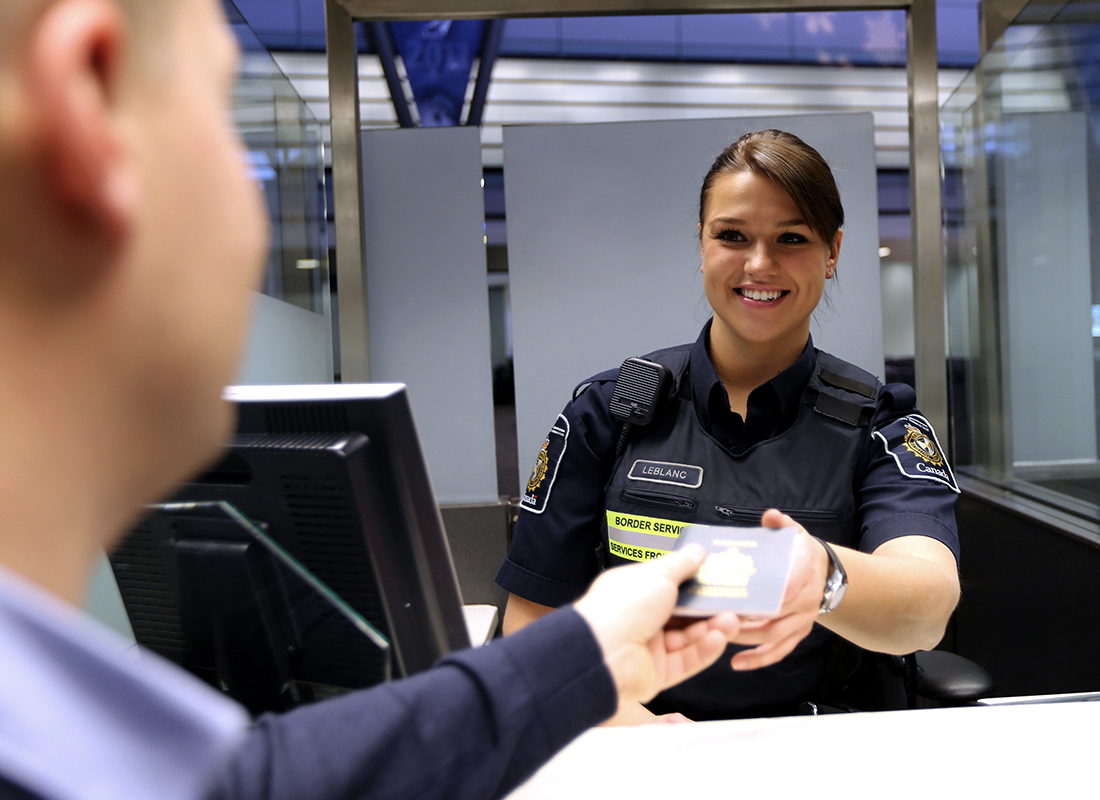
2. Interview with border agent

3. Leave airport
Before leaving the airport, the newcomer may notice a settlement services booth before exiting and may become informed of services. At this time, the newcomer is tired, distracted, and focused on immediate needs like housing and employment.
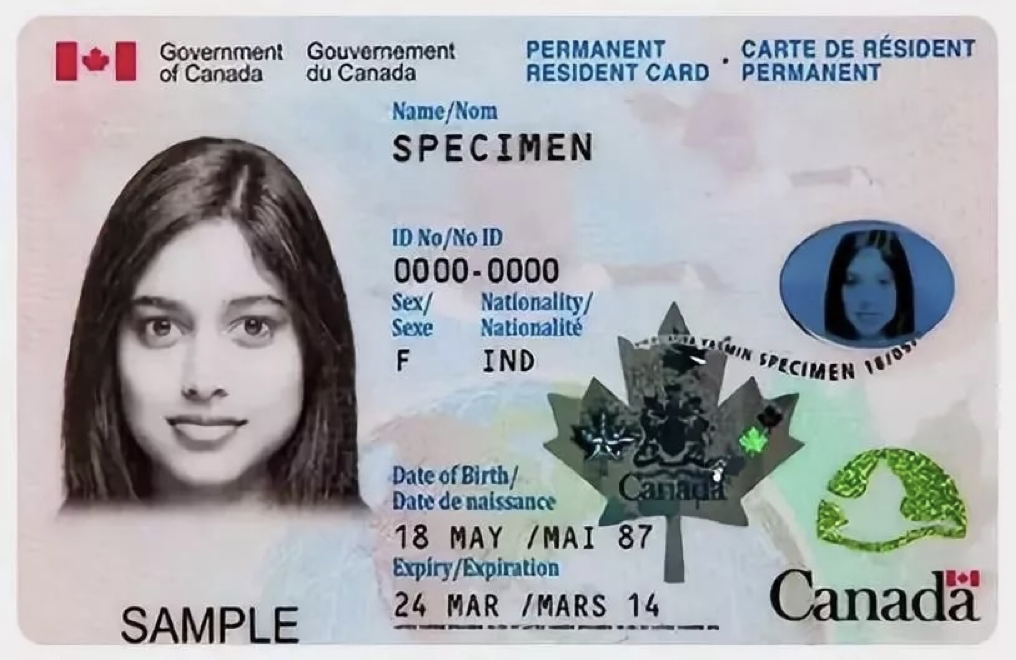
4. Receive PR card in mail

5. Become citizen
step 2: empathy interviews
Interviews with recent newcomers to understand the headspace around settlement services.
Key Learnings: Cognitive overload, a perceived lack of value, and stigma affect behaviour
Supporting Quotes:
“We were exhausted when we arrived after a 20 hr flight… I didn’t even notice the booth.”
“There were too many options of services and I was exhausted. I decided to look into it later.”
“I’m well qualified and already speak the language. These services are for people who need help—not me.”
step 3: Persona Creation
To bring patterns to life, I developed two key personas:
Exhausted Ethan

Arrives overwhelmed and fatigued → unlikely to notice or retain information
Confident Connie

Highly skilled, job-ready → assumes services are not relevant to her
step 4: Insight synthesis
I grouped common sentiments from the interview transcripts into themes.
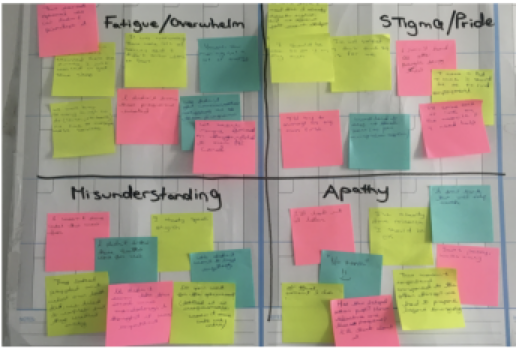
Key Insights
From qualitative and journey data, three core insights emerged:
Cognitive Overload is high
Settlement services are presented in a complex way at a time when newcomers are least receptive.Perceived value is low
Many newcomers don’t see the services as relevant to their situationSocial signaling matters
Participation is subconsciously associated with “needing help,” creating stigma
Problem Reframe
How might we present settlement service programs in a simple way that highlights value and social proof?
solution
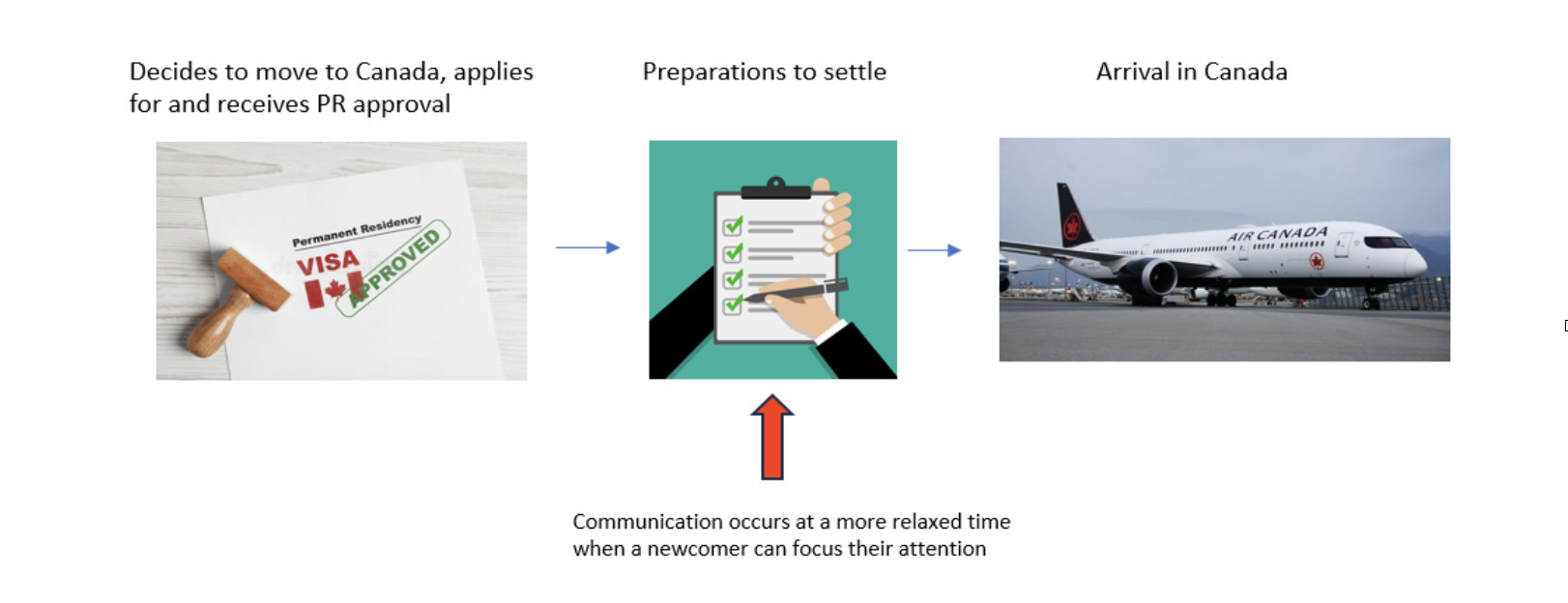
Better timed communication: An email will be sent at a less busy time, before the newcomer arrives in Canada (see journey map below). Theme: simplicity (to combat cognitive overload)
2. Incorporating “nudges” in the email: harnessing the power of behavioural economics to better communicate with newcomers and help them overcome problems that they encounter during their journey
| Insight | Why does this problem occur? | Result | Mitigation/Nudge in Email |
|---|---|---|---|
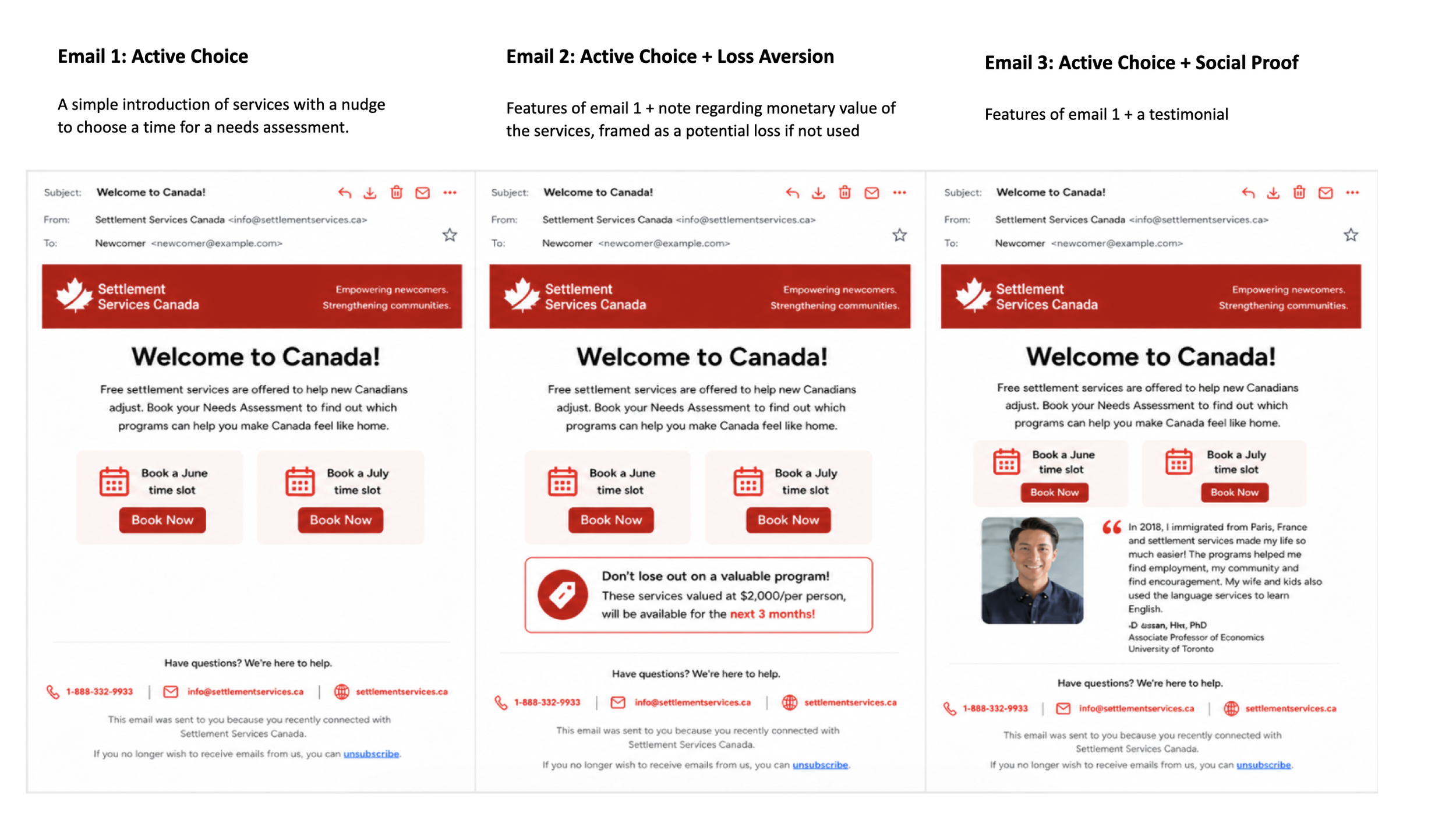
| High Cognitive Overload | 1.A multitude of program choices worsens fatigue already existent from long journey | Newcomer falls victim to inertia (choosing the status quo to save the energy required to make a change). Does not register for services. | 1) Streamline info: Only mention the needs assesment service which can be used as a (foot-in-the-door) to educate on more programs. 2) Active Choice (communicate as of inaction is not an option). Theme: Simplicity |
| Perceived Value is Low | 2. Apathy related to gains (people don't mind missing an opportunity but get upset if they loose something that they "already had") | Takes program for granted, doesn't see the value. | Frame programs as something that a person stands to loose rather than potential gain to take advantage off Theme: Showing Value |
| Social Stigma | 3. People aren't persuaded by logic as much as by social proof | Stigma and distrust when you can't see that others are using the program. | Show pictures of people and testimonials in communication Theme: Showing Social Proof |
Prototype
To isolate impact, we designed three email variants, each testing a different nudge.
Testing
A full factorial experiment plan was provided to the client to evaluate:
Individual nudge effectiveness
Combined impact of multiple nudges
*Version 3 of the email was the strongest at driving registration for services. Our team made the official recommendation to utilize this concept as the basis for official communication
results
Economic class immigrant enrollments up by 22%
Family class immigrant enrollments up by 14%
Interventions incorporated into Federal Policy, shaping the immigration experience today.
Key Takeaways
Low engagement was not a demand problem—it was a design problem
Small, behaviourally-informed changes can drive cost-effective, system-level outcomes