
Driving Prescriptions of an Underperforming Colitis Medication
Executive Summary
Cefalox, a treatment for ulcerative colitis, was underperforming despite offering a safer side-effect profile than the market leader. I led a strategic design project grounded in deep research to understand the factors influencing physician prescribing decisions. I identified the root causes of the drug's underperformance and proposed solutions to improve adoption.
| Insights (Barriers to Prescription) | Solution: a 3-part Communication Strategy |
|---|---|
| 1. Cost perceived as high | Reposition Cefalox around affordability + superior patient experience (value for price) |
| 2. Lack of engagement with key influencers beyond Gastroenterologists (GIs) such as family physicians, pharmacists, and patients | Expand education to target prescription influencers beyond GIs |
| 3. Outdated provider education strategies result in low attendance and limited opportunities to spread awareness | Introduce modern provider education with flexible, digital formats. |
The solution resulted in a 3% increase in prescriptions within two quarters. Attendance at medical education programs rose by 14%, while active participation during sessions increased by 50%. The initiative also generated $25K in cost savings across portfolios by creating a reusable digital infrastructure for gamified medical education, enabling costs to be shared with the Oncology department.
overview
Client: Radcliffe Pharmaceuticals
Product: Cefalox (Ulcerative colitis treatment)
Role: Brand & Strategy Design Lead
Therapeutic Area: Ulcerative colitis (an inflammatory disease of the colon) causes pain and discomfort. Complications can be serious.
the challenge
Despite being clinically competitive and safer than the market leader, Cefalox adoption has lagged. Why are physicians not prescribing a better drug and how can we change that?
Research
step 1: competitive analysis
I analyzed clinical studies and industry reports comparing Cefalox with the market leader, Pordisol.
Key findings:
Similar efficacy
Cefalox= Fewer harsh side effects
Pordisol= Stronger trust/heritage + public coverage
Early Signal: Adoption wasn’t driven by clinical performance alone
step 2: expert interviews
As Gastroenterologists are the key decision-makers for prescriptions and primary thought leaders in the treatment of colitis, I interviewed 5 specialists to understand their prescribing decisions.
Key Lessons Learned:
Physicians think Cefalox is the superior drug, but prescribe Pordisol because it’s affordable and has heritage/trust in the market.
Physicians would be more open to prescribing Cefalox if they had time to counsel patients on its value and if other physicians endorsed the drug during medical education events.
Supporting Quotes:
“I would prescribe Cefalox if other physicians provide recommendations at CME events. I attend remote education that I can watch on my own time. Traditional events are dry and inconvenient to attend.”
“Cefalox is actually the better drug with fewer harsh side effects. GI’s don’t take the time to discuss this with patients. If they did, some patients would be willing to pay more for the better experience.”
“Cefalox is expensive (not publicly covered). Pordisol is cheap, works fast, and I’m comfortable prescribing because many other physicians do.”
Step 3: Journey Mapping
GI feedback also helped to form an end-to-end journey map of the patient experience, revealing key pain points in the process.
-
![]()
1. Patient feels symptoms
Embarrassment can delay care-seeking, so patients often present to their family doctor once the flare-up is already severe.
-
![]()
2. Appointment with Family Practitioner (FP)
FPs are untrained in colitis management and make a specialist referral. They provide Pordisol to provide immediate relief until the patient can see a GI, taking comfort from its widespread use and affordability.
-
![]()
3. Appointment with Gastroenterologist (GI)
GI’s consider Cefalox to be the better drug but often prescribe Pordisol because:
a) It’s affordable
b) After their GP’s prescription, patients develop a comfort with Pordisol. The preference can improve medication adherence, so the GI will continue to prescribe.
When GI’s do prescribe Cefalox, they don’t take the time to explain their rationale to the patient, leaving them vulnerable to an in-pharmacy prescription swap. -
![education gap]()
4. Visits Pharmacy
If pharmacist sees a Cefalox prescription, they read out a long list of side effects typical of systemic steroids and recommend switching to Pordisol. The patient obliges, because their physician has not taken the time to explain the superior experience of Cefalox. They think “If I’m going to have the same bad side effects on both drugs, I might as well get the cheaper option.”




step 4: data synthesis
I grouped common sentiments from the interview transcripts into themes

Key Insights
Perception > Reality
Cost belief is blocking adoption- not actual affordability, which is achieved through widespread private plan coverage and patient assistance program.
Hidden Influencers
Family Physicians, Pharmacists, and patients shape prescription outcomes, yet awareness strategies only target GIs.Education Gap
Radcliffe’s reliance on traditional, lecture-based education formats is misaligned with physician preferences for flexible, on-demand learning—resulting in lower attendance and missed opportunities to build awareness.
Problem Reframe
How might we best communicate the affordability and superior patient experience of Cefalox to all stakeholders who influence prescription?
Solution
I developed a 3-part service and communication strategy
Insight (Problem): High-cost perception
Communication Pillar 1: Shift messaging from clinical parity → affordability + superior patient experience (value for price)
Example Executions:
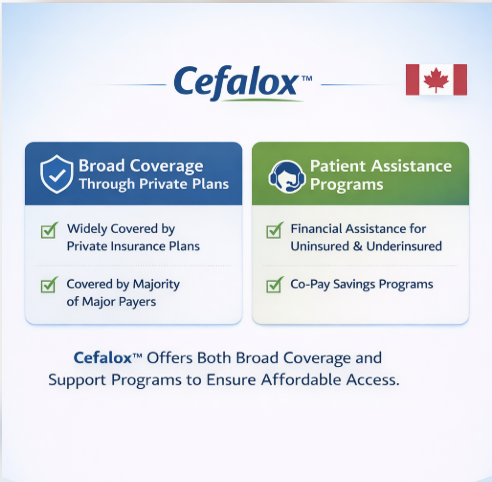
Highlight Widespread coverage in private plans+ patient assistance programs
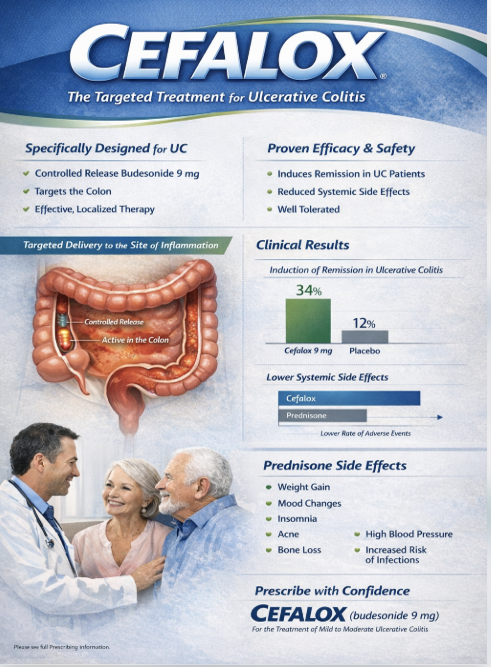
Reminder of superior side effect profile + importance of explaining this to patients
Priority 1: High ROI, immediate impact
Requires only slight amendments to field rep sales tools to reach the most influential prescription decision-makers.
Insight (Problem): Hidden Influencers
Communication Pillar 2: Expand the ecosystem, educating all stakeholders who influence prescription (beyond GIs)
Example Executions:
Family Physician Targeting (sales reps, emails)

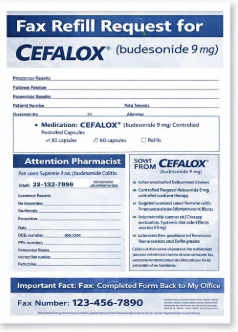
Pharmacy Fax
Patient Brochure

Priority 2: Medium ROI, immediate impact
Requires creation of new sales tools and resourcing to expand reach to second-most influential stakeholders
Insight (Problem): Education Gap
Communication Pillar 3: Modernize Continuing Medical Education (Shift from in-person lecture format → gamified, remote, education that can be done asynchronously)
Example Executions:
Affordance Studio’s “Level-up MD” program educates on products in a video-game format that can be done at one’s own pace
Priority 3: Medium ROI, delayed impact
Investment in agency costs and time demands on staff to complete program. Long-term investment in in-direct targeting that will generate high future returns.
results
Drove +3% prescription growth within two quarters through targeted physician engagement strategies
2. Radcliffe launched “GI Jeopardy” CME, increasing HCP attendance (+14%) and engagement (+50%), boosting Radcliffe’s share of voice in medical education
3. Unlocked $25K in cost savings across portfolios by creating a reusable digital infrastructure for gamified medical education (cost sharing with Oncology department)
Key Takeaways
A single stakeholder rarely shapes complex customer journeys. Mapping the entire ecosystem uncovers the moments and influences that matter most
People don’t always opt for the best product, but rather for what they believe to be easy and low-risk
Small communication and positioning changes can outperform large product changes